
Trillion Dollar Baby: Indian Real Estate Industry!!!
The Indian Real Estate Industry will be a trillion-dollar industry in the years to come—an opportunity not to be missed or ignored globally.
Investment Projections and Growth
- As per KPMG reports, India needs an investment of US$ 2 trillion by 2022 to achieve the vision of “Housing for All.”
- The Planning Commission of India has projected a US$ 1 trillion investment in the Indian infrastructure industry during the 12th Five-Year Plan (2012-2017).
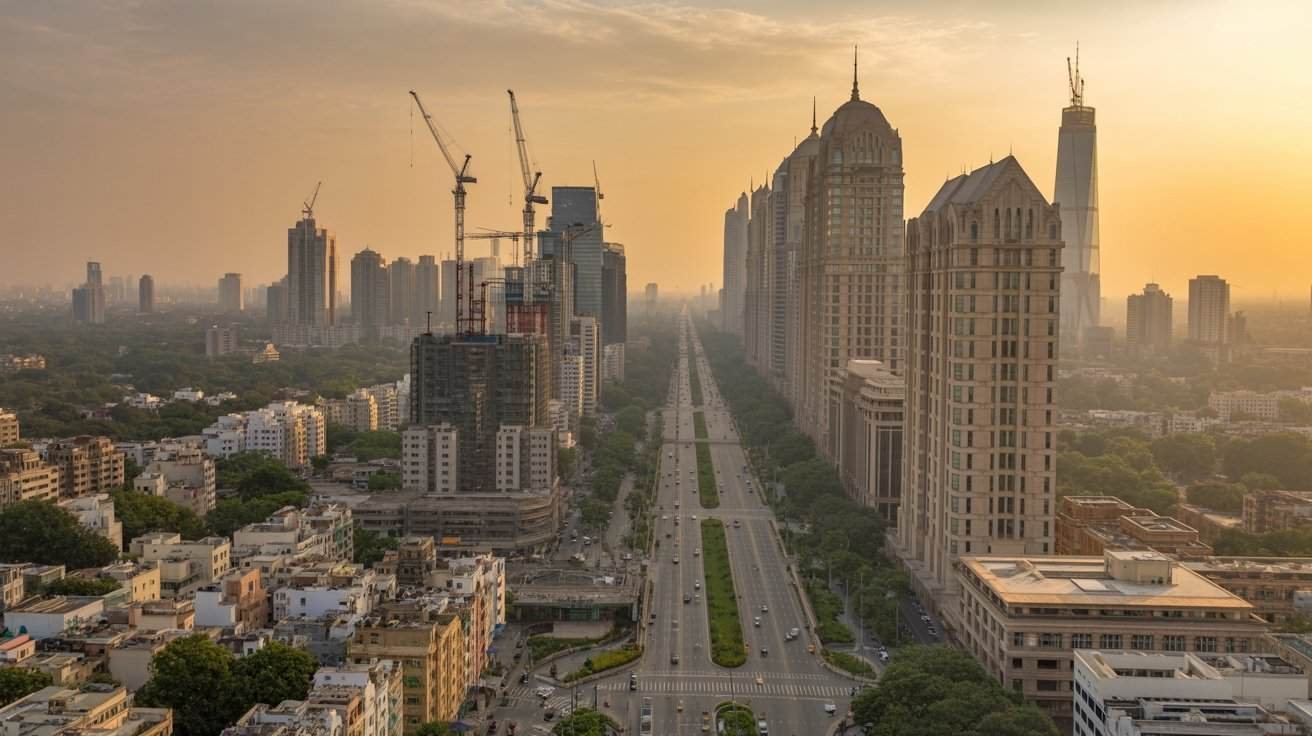
- The infrastructure sector has shown massive growth over the last decade, and given its current positioning, the possibilities and scope in the Indian infrastructure space are indeed tremendous.
Key Components of Indian Real Estate
The Indian real estate space is divided among four key components:
- Housing
- Retail
- Hospitality
- Commercial
The residential sector alone contributes 80% of Indian real estate. The share of the real estate sector in national GDP is expected to increase from 6.3% in 2013 to 13% by 2028. In absolute terms, the sector’s size is expected to grow sevenfold to US$ 853 billion in 2028, compared to US$ 121 billion in 2013 (KPMG research).
Growth in Commercial and Residential Spaces
According to real estate consultancy Cushman & Wakefield:
- Commercial space absorption in the eight major cities (Delhi-NCR, Mumbai, Bengaluru, Chennai, Hyderabad, Pune, Kolkata, and Ahmedabad) grew by 58% in Q1 2014 compared to the same period in 2013.
- New residential unit launches increased by 43% in the same period.
Government Initiatives Driving Growth
- Introduction of 100 Smart Cities
- Delhi Mumbai Industrial Corridor (DMIC)
- Cheaper finance availability to builders and promoters
- Conceptualization of 110 million affordable housing units by 2022
- Relaxation of FDI norms, allowing up to 100% investment in development projects for townships and settlements
The US$ 100 Billion DMIC Corridor
- A collaboration with the Government of Japan
- Spanning six states:
- Delhi
- Western Uttar Pradesh
- Southern Haryana
- Eastern Rajasthan
- Eastern Gujarat
- Western Maharashtra
- Objective: Expand India’s manufacturing and service base at an exponential rate.
- Eastern and Western Dedicated Freight Corridors are the spine of the project.
- Aim: Reduce urban congestion and develop superior infrastructure.
Role of Economic Hubs
- Facilitate business and manufacturing
- Provide easy availability of land and cheap labor
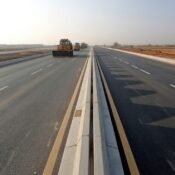
- Enhance transportation connectivity (roads, rail, and air)
- Develop new industrial cities as smart cities along the 1,483 km corridor
- A 4000 MW power plant, three seaports, and six airports are planned
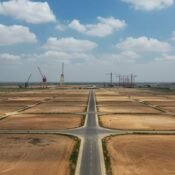
- Seven Smart Cities identified in the first development phase, including Dholera SIR in Gujarat, projected to be six times the size of Shanghai and twice the size of Delhi
Employment and Economic Impact
- Expected to create 100 million jobs within the next decade
- Potential to double employment, triple industrial output, and quadruple exports from the region in five years
Foreign Direct Investment (FDI) and Global Interest
- Countries keen to invest: America, France, Japan, Korea, China, Germany, and Singapore
- The Indian Prime Minister’s diplomatic engagements have boosted global confidence in Indian infrastructure
Lending Rates and Financial Reforms
- Reduced interest rates and relaxed regulations have eased lending for infrastructure projects
- Real estate borrowing rates have fallen from 24% to 18%, with projections to reach 10% soon
- RBI’s reduction in lending rates for low-cost housing has led to a 100-150 basis points cut in bank rates
- India’s liberal FDI policy has positioned it as the 4th most attractive destination for Foreign Direct Investment
The Future of Indian Real Estate
With:
- A stable government
- Supportive reforms
- Booming stock markets (expected to touch 40,000 points)
- Anticipated annual growth above 10%
- Increased employment and booming e-commerce
- Major emphasis on the manufacturing sector
- Positive public sentiment
India is on the brink of a real estate boom.
Conclusion
This is the vision of New India—an opportunity to multiply investments manifold. It is a phase that FDIs and private equity sectors are eager to capitalize on. Certainly, a “Not to be missed” phase in the Indian infrastructure space.